July 2026

Taxi Service in Darjeeling for Family Vacations & Weekend Getaways

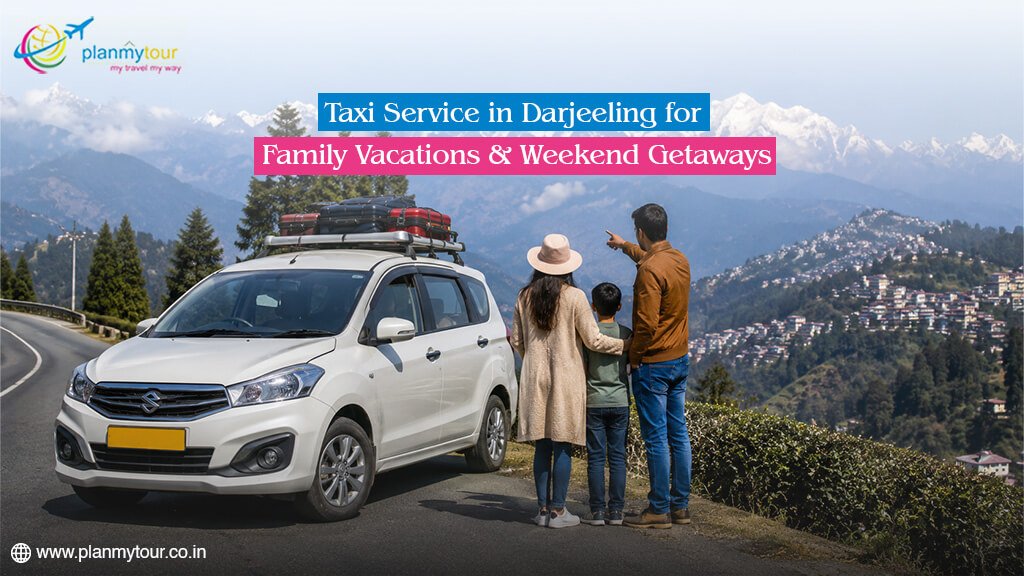
Taxi Service in Darjeeling for Family Vacations & Weekend Getaways Darjeeling is the kind of place that stays with you. The mist over the tea gardens in the morning, the cold air at Tiger Hill before sunrise, the view of Kanchenjunga that appears without warning on a clear day – none of it feels real until you’re standing in it. But Darjeeling’s roads are not the kind you navigate on a whim. They’re narrow, they climb steeply, they have one-way stretches that catch people off guard, and the fog that rolls in around Mall Road in the evening changes the driving conditions entirely. A reliable taxi service in Darjeeling isn’t a luxury – it’s what makes the difference between a trip you remember well and one you spend worrying about the road ahead. Why Do You Need a Taxi Service in Darjeeling? The roads in Darjeeling are not difficult to drive in the way a busy city is difficult. They’re difficult in a different way – sharp blind corners, sudden fog, one-way lanes that switch direction by time of day, and stretches near Mall Road where the margin for error is genuinely small. The local driver who has been driving through these roads for many years is aware of where the fog usually settles during the early mornings, what approach to use while driving to Tiger Hill to avoid the heavy traffic, and when to drive through the long route since the short route will be overcrowded. Such information cannot be available in an app. Booking a taxi service in Darjeeling through a trusted agency means you get that driver – not a first-timer figuring it out alongside you. Darjeeling Sightseeing: Places a Good Taxi Makes Easy Covering Darjeeling’s main spots in a day or two requires some planning around timings, distances, and the order things are visited. A dedicated taxi handles all of that without you having to think about it. The places most travellers want to cover: Tiger Hill – The early morning sunrise trip requires leaving before 4 AM. A local driver knows exactly when to go and which route beats the queue. Batasia Loop – A war memorial and spiral railway track with open mountain views. Worth a longer stop than most people plan for. Darjeeling Himalayan Railway – The UNESCO-listed Toy Train. A short joyride between stations rather than a full-route trip, but one of the more memorable hours you’ll spend in Darjeeling. Happy Valley Tea Estate – One of the closest tea gardens to the town centre, with a working factory that’s open for visits. Ghoom Monastery – One of the oldest monasteries in the region, about 8 km from Darjeeling town on the road back from Tiger Hill. Worth adding to the morning trip. Peace Pagoda – Quiet, well-maintained, and far less crowded than the more popular spots. Mall Road – Better in the evening on foot, but your driver will drop and collect rather than leave you hunting for a cab back. Why Families Choose a Private Taxi Over Shared Transport Travelling with children or elderly family members changes what matters on a trip. Shared jeeps fill up on their own schedule, not yours. They don’t stop because a child needs a break or because a grandparent wants five more minutes at a viewpoint. A private taxi service in Darjeeling means: Departure when you’re ready, not when the vehicle is full Stops when you need them, including for motion sickness on the bends Luggage that actually fits without being piled on a roof rack A driver who adjusts pace to the group, not the other way around For families visiting Darjeeling, this flexibility is the thing people consistently mention when they talk about what made the trip comfortable. Self-Driving in Darjeeling: Why Most Travellers Think Twice Hiring a self-drive car in Darjeeling sounds appealing until you’re on the road. The turns are tighter than they look on a map, the fog reduces visibility quickly, and the one-way lane system in the town centre is not intuitive the first time through. Experienced drivers who are confident on highways often find Darjeeling’s hill roads a different challenge. It’s not about skill – it’s about familiarity. A driver who doesn’t know when the morning fog clears over a particular stretch or which lane to take at the Chowrasta junction is working things out in real time. A taxi service in Darjeeling gives you the same independence – you go where you want, when you want – without that layer of uncertainty sitting over the whole trip. Booking Through Plan My Tour: What You Get Plan My Tour offers taxi and car hire services in Darjeeling as standalone bookings and as part of full tour packages covering accommodation, sightseeing, and transport in one plan. Standalone taxi booking suits travellers who already have accommodation sorted and want a reliable vehicle and driver for their days in Darjeeling. Full packages work better for first-time visitors who want the entire trip organised without booking each piece separately. Either way: pickups from NJP Railway Station and Bagdogra Airport, vehicles suited to hill roads, and drivers who know Darjeeling properly. Tips for Booking the Right Taxi Service in Darjeeling Quick checklist before you book: Check reviews. Real traveler feedback tells you everything. Confirm vehicle type. SUVs handle hills better than sedans. Ask about driver experience. Hill driving needs real skill. Clarify pricing upfront. No surprise charges later. Book early during peak season (October to December, and March to May). A little research now saves a lot of hassle later. Frequently Asked Questions (FAQs) Q1. How much does a Taxi Service in Darjeeling usually cost? This depends upon distance, type of vehicle, and duration of journey. Local sightseeing tours cost less than a day-long outstation taxi ride. Q2. Can I book a taxi for airport or railway station pickup? Yes. Almost all taxi services provide pickup facilities from Bagdogra Airport or NJP Railway Station right till your hotel accommodation. Q3. Is

Taxi Service in Darjeeling for Family Vacations & Weekend Getaways Read More »
Explore the Beauty of the Himalayas with a Sikkim Tour Package from Siliguri

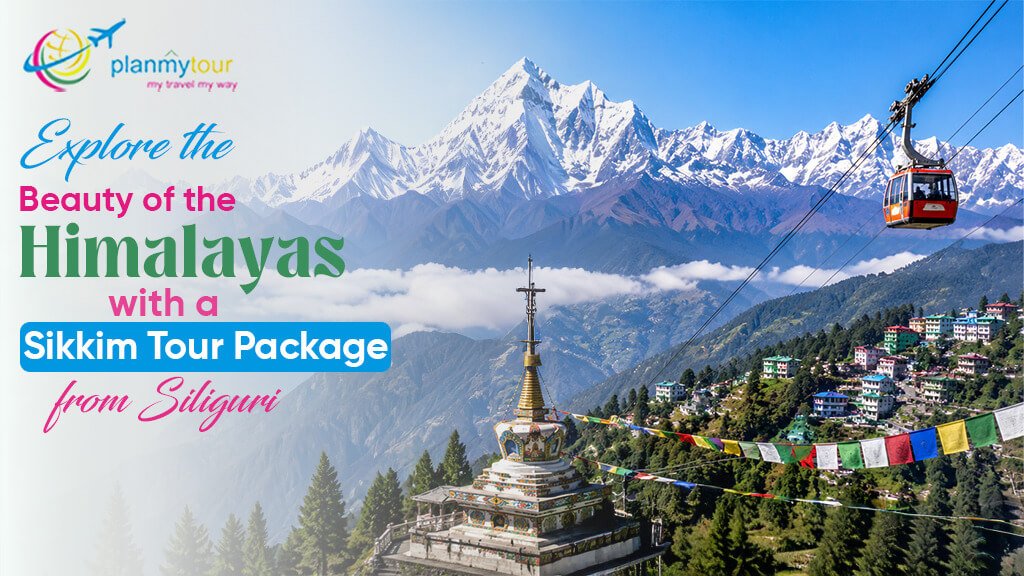
Explore the Beauty of the Himalayas with a Sikkim Tour Package from Siliguri Picture this. Snow-capped peaks outside your window. Cool mountain air on your face. Steaming hot tea in your hands. This is Sikkim. And the journey begins in Siliguri. For anyone travelling through North Bengal, a Sikkim tour package from Siliguri is one of the most straightforward mountain trips you can put together. The distance is manageable, the roads are well-travelled, and what’s waiting on the other end – peaks, monasteries, valleys, silence – is worth every hour of the drive. Why Start Your Journey from Siliguri? The town of Siliguri is situated at the foot of the Himalayas. It is connected by an airport, railway, and highway roads. This is the right base to go for a Sikkim tour package from Siliguri. The major airports that are used are Bagdogra Airport and NJP railway station. Then it’s easy to have a tour of Sikkim from Siliguri. The road distance between NJP and Gangtok is approximately 125 km with a road journey time of 4-5 hours. First timers are not put off by this little trip. If there is a long lie-in, no need to make a long lie-in. You park, you drive, and by nightfall you’re in the hills. Popular Places to Visit in Sikkim Sikkim is small on a map but it doesn’t feel that way when you’re moving through it. Each part of the state has a completely different personality. Gangtok Gangtok is where most trips start and it works well as a base. The MG Road area is lively in the evenings, the cable car gives you the kind of view over the city that makes the queue worth it, and Tsomgo Lake – a high-altitude glacial lake about 40 km from the city – is the kind of place that photographs can’t quite do justice to. Pelling Pelling is quieter and that’s the point. It sits in West Sikkim with a direct line of sight to Kanchenjunga, the third-highest peak in the world. On a clear morning the mountain fills the entire horizon. Pemayangtse Monastery is here too – one of the oldest in Sikkim, perched above the valley with views in every direction. North Sikkim North Sikkim is where the landscape changes completely. Lachung and Lachen are small villages that feel genuinely remote. Yumthang Valley – known locally as the Valley of Flowers – is covered in rhododendrons from March to May. Zero Point, at around 4,800 metres, has snow for most of the year. The roads up here are narrow and the terrain is serious, but people come back from North Sikkim talking about it differently than the rest of the trip. Rumtek Monastery Rumtek Monastery, near Gangtok, is one of the most significant Buddhist monasteries in the entire Himalayan region. It’s worth more time than most itineraries give it. Sit for a while. The monks don’t perform for visitors here – they’re just going about their day, which is exactly what makes it worth visiting. Sikkim Tour Itinerary from Siliguri: Day by Day This is a straightforward approach many travelers take to their trip: Day 1: The drive up takes most of the day. Check in, walk MG Road in the evening, get a feel for the place. Day 2: Gangtok Sightseeing Tsomgo Lake and Baba Mandir in the morning. Cable car in the afternoon. Gangtok is compact enough that you’re not burning time getting between places. Day 3: Gangtok to Lachung The drive north passes through pine forests and river valleys. Lachung itself is a small village quiet, cold at night, and worth arriving before dark. Day 4: Yumthang Valley and Zero Point An early start for Yumthang – the Valley of Flowers earns the name in spring. Zero Point is another hour further if the road is open and you want to go. Day 5: Lachung to Pelling A long driving day but the route passes through some of the most varied scenery of the whole trip. Stop at the waterfalls on the way – Kanchenjunga Falls and Rimbi Falls are both on this route. Day 6: Pelling Sightseeing Pemayangtse Monastery in the morning. The Skywalk over the valley if you’re up for it. The rest of the day is for sitting somewhere with a view of Kanchenjunga and not feeling guilty about it. Day 7: Pelling to Siliguri Morning departure, back to the plains by afternoon. The itinerary above can be trimmed to 5 days by skipping one night in Gangtok and moving faster through the route. If you have more time, an extra day anywhere in North Sikkim is never wasted. Local Culture and Food You Must Try Sikkim is not all about views. It’s even about nice folks and easy-to-eat food. Taste of the momos fresh out of the steamer. Make a hot night of thukpa. See if you can have local butter tea for a hot cup. Here, monasteries are quiet and ancient. The monks are chanting quietly and the prayer flags are fluttering in the wind. Slow walk to Rumtek Monastery at Gangtok. Sit down and relax for several minutes. It’s a basic fun which endures far after the journey concludes. Local markets are great fun as well. Take home handmade shawls, organic tea, or small wooden crafts. Talk with store owners. They are fond of telling stories about their home. North Sikkim: What to Know Before You Go North Sikkim operates differently from the rest of the state. The roads are narrower, the altitude is higher, and certain areas require additional permits beyond the standard Inner Line Permit. Only registered vehicles – typically modified SUVs – are permitted on some stretches. None of this is a reason to skip it. It just means this leg needs to be planned properly rather than added on as an afterthought. A good travel agency will handle the logistics, the vehicle, and the permits for North Sikkim as part of the package. What is The

Explore the Beauty of the Himalayas with a Sikkim Tour Package from Siliguri Read More »

Bhutan Tour from Siliguri for Adventure, Culture & Spiritual Tours

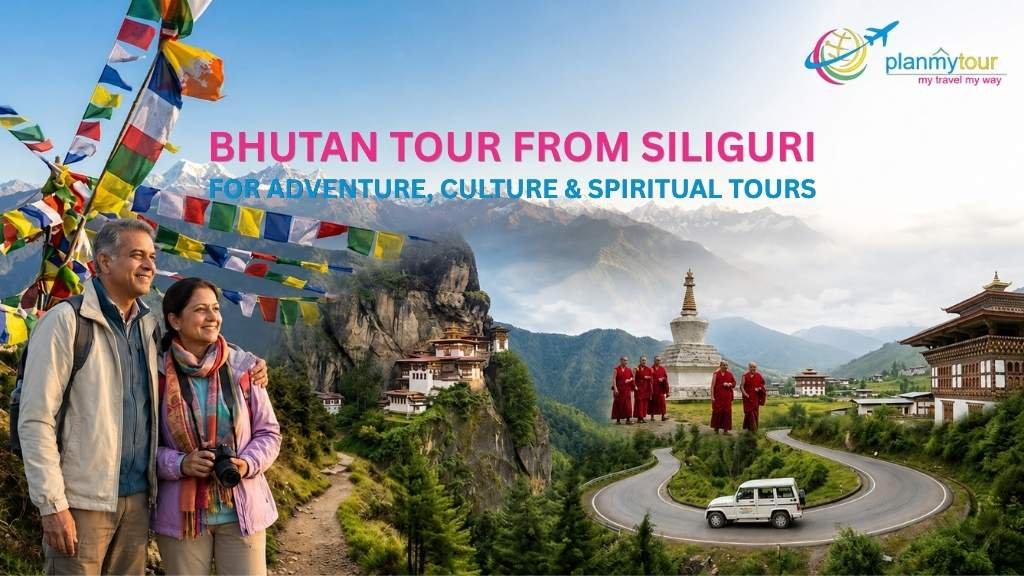
Bhutan Tour from Siliguri for Adventure, Culture & Spiritual Tours Bhutan feels like a secret. A kingdom tucked into the clouds, where monks still chant in ancient monasteries and mountain silence is an actual thing you can hear. And here’s what most people don’t realise: it’s closer than they think. If you’re based in or travelling through North Bengal, a Bhutan tour from Siliguri is one of the easiest Himalayan escapes you can plan. No flights, no layovers, no complicated logistics. Just a road, a border crossing, and the mountains waiting on the other side. Why Siliguri Is the Best Starting Point for a Bhutan Trip Siliguri isn’t just another city. It’s the door to the Northeast. It sits closer to Bhutan than almost anywhere else in India. That makes it the smartest place to start your journey. Here’s the best part. This route saves you time. It saves you money. Skip the flights. Skip the layovers. Just drive straight into the clouds. Most travellers land in Siliguri first. And that’s when it rolls towards Jaigaon, the bordering town of India where Bhutan technically starts. That’s when the adventure kicks in. There’s one more point that favors the route- Siliguri has all sorts of transportational facilities – road, air, and rail so there is nothing that would come in your way, irrespective of where you are coming from. From there, Bhutan is a pleasant drive away! Best Time to Arrange a Bhutan Tour From Siliguri Timing changes everything here. The best time to visit Bhutan from Siliguri falls in spring and autumn. Season Months What to Expect Spring March–May Rhododendrons across the hillsides, clear skies, good mountain views Autumn September–November The most popular season, crisp air, blue skies, ideal conditions Winter December–February Cold, very quiet, far fewer tourists Monsoon June–August Heavy rain and poor visibility, not ideal for this route Popular Places to Visit in Bhutan Bhutan is a small country but it doesn’t feel that way when you’re moving through it. Every valley is different, every town has something worth stopping for. Tiger’s Nest Monastery (Paro Taktsang) is the one most people come for, a monastery built into a cliff face 900 metres above the Paro valley. The hike up takes 2 to 3 hours and the view from the top is exactly as good as the photos suggest. Punakha Dzong sits where two rivers meet at the bottom of a wide valley. It’s the most beautiful fortress in Bhutan by most accounts, and monks still live and work inside it. Worth more time than most itineraries give it. Thimphu is the capital, but it doesn’t feel like one. No traffic lights, no high-rises, markets that actually sell things people use. Buddha Dordenma, a giant golden statue above the city, is visible from almost everywhere and worth visiting up close. Dochula Pass on the road between Thimphu and Punakha sits at around 3,100 metres. On a clear day, 108 chortens in the foreground and the Himalayan range behind them. Most people stop here longer than they planned to. Paro Valley is where you’ll spend your last full day and it earns it. Beyond Tiger’s Nest, the valley itself, open, green, with the Paro Dzong watching over the town, is one of the more peaceful places on this entire route. Bhutan Trip from Siliguri: The Route In The route is simpler than most people expect. Siliguri → Jaigaon → Phuentsholing (border) → Thimphu The NJP to Bhutan border distance is around 170 to 180 km. Expect the drive from Siliguri to Thimphu to take roughly 5 to 6 hours, through hills, rivers, and stretches of green that make the time pass faster than you’d think. Private cars, shared taxis, and pre-arranged pickups are all available from Siliguri. Bhutan Tour Itinerary from Siliguri: Day by Day Most Bhutan tour packages from Siliguri cover three destinations, Thimphu, Paro, and Punakha. Together, they give you the full picture: capital city culture, mountain monastery drama, and river valley calm. Here’s a 7-day itinerary that works well for most travellers: Day 1: Siliguri to Phuentsholing- Cross the Border. Do all the formalities. Rest well for day one. Day 2: Phuentsholing to Thimphu– Drive into the capital. Explore local markets and tranquil monasteries. Day 3: Thimphu sightseeing- Explore Buddha Dordenma (towering and golden). Go for Thimphu sightseeing. Visit Tashichho Dzong. Offer your prayers. Day 4: Thimphu to Paro- Climb over Dochula Pass. You can visit 108 chortens at Punakha Dzong. It is located between two rivers; stop. Day 5: Paro sightseeing- Hike to Tiger’s Nest Monastery. It is hanging on a cliff 900m up the valley. This is the most popular picture of Bhutan, and you’re in it. Day 6: Phuentsholing to Paro– Check out in the morning. Turn back towards the border town. Enjoy the last night in Bhutan. Day 7: Back to Siliguri Drive– Trip complete. Memories; very much not. This itinerary is flexible. Shorter on time? Trim it. Want more? Stretch it out. Your Bhutan tour from Siliguri is made to suit you and not you to suit it! Bhutan Permit for Indian Tourists: What You Actually Need Good news first, Indian travellers don’t need a visa for Bhutan. You cross on a permit, and the process is simpler than most people expect. What to carry: Valid passport (preferred) or voter ID card Two passport-size photographs Confirmed hotel bookings Travel arranged through a licensed agency Permits are issued at the Phuentsholing border gate itself, or you can get it processed online before you travel. If you’re planning to visit areas beyond Thimphu and Paro – Haa Valley, restricted zones, you’ll need a separate area permit on top of the standard one. One thing worth knowing before you finalise your budget: Bhutan charges a Sustainable Development Fee  of ₹1,200 per Indian tourist per night. It’s not a hidden charge – it funds the country’s free healthcare, education, and conservation programmes. Every legitimate Bhutan tour package should have this built in. If a quote

Bhutan Tour from Siliguri for Adventure, Culture & Spiritual Tours Read More »