
Sikkim
Sikkim: Where the Himalayas Get Serious
Sikkim is small on a map and enormous in what it actually contains. In one
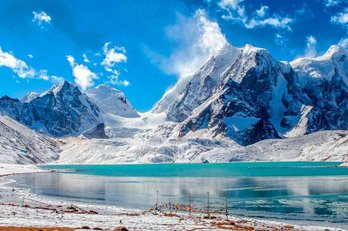
state, you get Gangtok's easy city comforts, glacial lakes that change color with
the season, monasteries that have sat on the same hillsides for centuries, and
roads that eventually climb high enough to leave you a little short of breath just
standing still. It's also the one place on this list where the paperwork matters as much as the packing list – Sikkim requires permits most of India doesn't, and
knowing that before you arrive changes the entire trip.
Most visitors start in Gangtok, and a lot of them stop there, which is a bit of a shame. The state's real character shows up further out – in Pelling's quiet monasteries, in Lachung's flower valleys, at Tsomgo Lake, half-frozen for half the year. Sikkim rewards the people willing to go a little further than Gangtok's city limits.
Most visitors start in Gangtok, and a lot of them stop there, which is a bit of a shame. The state's real character shows up further out – in Pelling's quiet monasteries, in Lachung's flower valleys, at Tsomgo Lake, half-frozen for half the year. Sikkim rewards the people willing to go a little further than Gangtok's city limits.
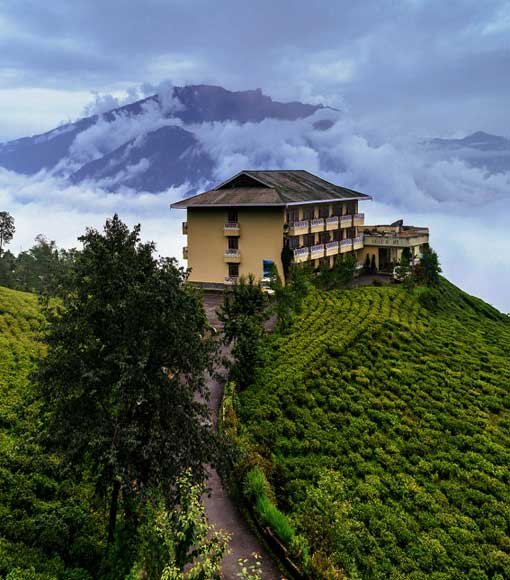
Things to Know
Location
Northeastern India, bordering Nepal, Bhutan and Tibet
Capital
Gangtok
Nearest Airport
New Jalpaiguri (NJP), ~120 km from Gangtok
Nearest Railhead
New Mal Junction, New Jalpaiguri (NJP), Alipurduar Junction & Hasimara
Best For
Monasteries, high-altitude lakes, mountain passes, tea and cardamom estates, road trips
Ideal Trip Duration
5-7 days for a full circuit
Languages Spoken
Nepali, Sikkimese (Bhutia), Lepcha, Hindi, English
Best Time to Visit Dooars
March to June
Clear skies and blooming rhododendrons in the lower valleys; Yumthang Valley in North Sikkim earns its "Valley of Flowers" nickname in this window.
July to September
Monsoon season. Landslide risk on hill routes is real, and North Sikkim roads can shut with little warning. Not the ideal stretch to travel in.
October to mid-December
The best period of the year to visit, clear weather and good visibility of the mountains, comfortable daytime temperature.
December to February
Cold, and North Sikkim's high passes can close with snow, but Gangtok itself stays accessible and quieter this time of year.
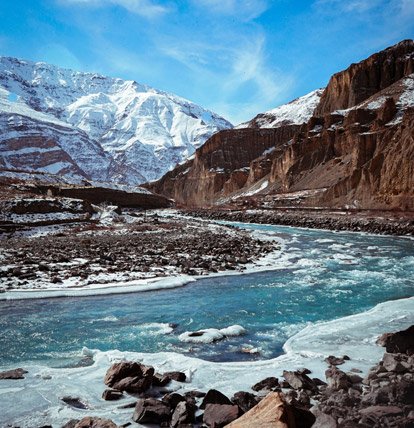
How to Reach Dooars
By Air: Bagdogra Airport (IXB) is the nearest airport, about 125 km from Gangtok, roughly 4.5-5 hours by road. Sikkim also has its own airport at Pakyong, though flight frequency is limited.
By Rail: New Jalpaiguri (NJP) is the nearest major railhead, around 120 km from Gangtok, about 4.5-5 hours by road.
By Road: The route from Siliguri climbs steadily through Rangpo, the
checkpost where your Inner Line Permit gets verified on the way in. Roads beyond Gangtok narrow considerably, and North Sikkim in particular needs a driver genuinely familiar with the terrain, not just hill-driving experience in general.
Places to Visit

Gangtok
The capital, and the easiest introduction to Sikkim: city comforts, mountain
views, and a good base before heading further out.

Tsomgo Lake
A glacial lake about 40 km from Gangtok, roughly 2 hours away, and one of the
most visited day trips in the state.

Nathula Pass
The India-China border crossing at over 14,000 feet, closed to tourists on
Mondays and Tuesdays.

Rumtek Monastery
One of the largest and most important monasteries in Sikkim, an easy half-day
trip from Gangtok.

Pelling
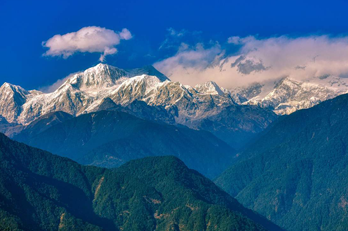
Roughly 130 km and 5-6 hours from Gangtok, known for arguably the best Kanchenjunga view in the state.

Namchi & Ravangla
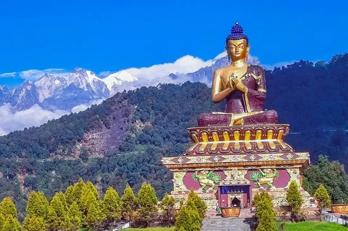
South Sikkim's quieter side, home to large Buddha and Shiva statues and
considerably fewer crowds.

Lachung & Yumthang Valley
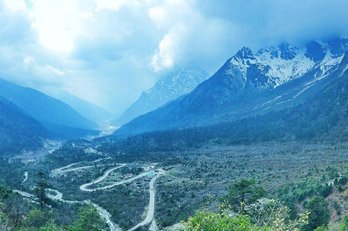
North Sikkim, roughly 125 km from Gangtok but 5-6 hours given the terrain,
best visited March through June for the valley's bloom.

Lachen & Gurudongmar Lake
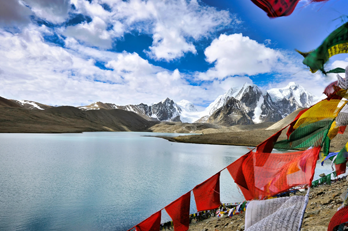
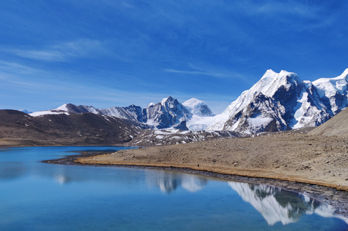
Further still, and higher – over 17,000 feet at the lake itself, where altitude
sickness is a genuine consideration, not a footnote.
Things to Do in Dooars
- Walk MG Marg in Gangtok in the evening, when the pedestrian street comes alive
- Take in the mountain views from Tashi View Point on a clear morning
- Visit the Rumtek Monastery, one of the biggest Buddhist monasteries in Sikkim
- See Tsomgo Lake change character with the seasons, half-frozen in winter, clear blue in autumn
- Cross into the high-altitude terrain of Nathula Pass, right on the India- China border
- Watch Kanchenjunga fill the horizon from Pelling on a clear day
- Drive up to Yumthang Valley in North Sikkim during bloom season (March-June)
- Acclimatise properly before pushing on to Gurudongmar Lake, one of the highest lakes in the world
Food & Culture
Sikkimese food leans heavily on momos, thukpa and gundruk, rather than
traditional Indian foods owing to the presence of Nepalese, Lepcha, and Bhutia
people in the region. Buddhism is an important part of the area as seen from the numerous prayer flags found on the mountain roads and the active Buddhist monasteries like Rumtek and Pemayangtse. Sikkim is the first fully organic state in India, which is evident from its cultivation of tea, cardamom, and
vegetables.
Permits & Rules
- Indian citizens: Need an Inner Line Permit (ILP) to enter Sikkim, arranged online, at Rangpo checkpost, or through your travel operator
- Restricted areas: Nathula, Tsomgo Lake and most of North Sikkim (Lachen, Lachung, Yumthang) require additional restricted area permits, processed in advance
- Foreign nationals: Require Protected Area Permit along with regular visa requirements
- Vehicle rules: Some North Sikkim stretches require a Sikkim-registered vehicle, meaning your original taxi may need swapping at Gangtok
- Seasonal closures: Nathula remains closed to tourists on Mondays and Tuesdays and also at times due to snow storms
Travel Tips
- Start your Inner Line Permit process early if North Sikkim or Nathula are on your list - this isn't something to sort the morning you arrive
- Carry warm layers even in summer; North Sikkim and the high passes stay cold year-round
- Spend a day acclimatising in Gangtok or Lachen before pushing on to Gurudongmar or other high-altitude points
- Cash is genuinely useful in North Sikkim and remote areas, where card acceptance drops off fast
- Confirm road status before departing for Nathula or North Sikkim during monsoon or deep winter, since conditions can change quickly

Our Sikkim Tour Packages
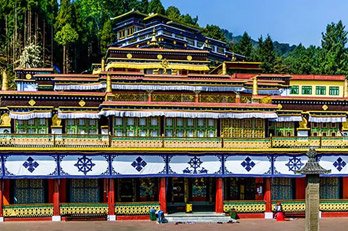


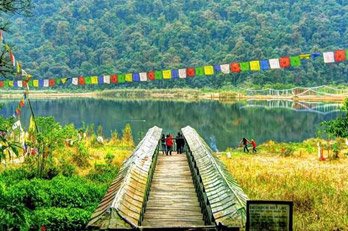
Sikkim 4 Night 5 Days Tour
Places Covered
Tsomgo Lake | Baba Mandir | Pelling
- 4 Nights
- 5 Days
Sikkim 5 Night 6 Days Tour
Places Covered
Baba Mandir | Lachen | Gurudongmar Lake | Lachung
- 5 Nights
- 6 Days
Sikkim 6 Night 7 Days Tour
Places Covered
Gurudongmar Lake | Lachung | Yumthang Valley
- 6 Nights
- 7 Days
Sikkim & Darjeeling Group Tour
Places Covered
Darjeeling | Gangtok | Pelling | Kalimpong
- 7 Nights
- 8 Days
Frequently Asked Questions (FAQs)
Yes, Indian citizens need an Inner Line Permit to enter the state, and areas like Nathula, Tsomgo Lake and North Sikkim need additional restricted area permits arranged in advance.
March to June for Yumthang Valley's bloom season, and October to early
December for the clearest overall mountain visibility.
Yes, this is a common combined route - Gangtok to Darjeeling is around 100
km, roughly 4 hours by road.
By road, around 125 km, roughly 4.5-5 hours, usually by pre-booked car given the mountain roads involved.
Altitude sickness is a genuine risk above roughly 14,000-15,000 feet.
Acclimatising for a day in Gangtok or Lachen before heading up significantly
reduces the risk.
No, it's closed to tourists on Mondays and Tuesdays, and can close without notice due to snow or weather, especially in winter.